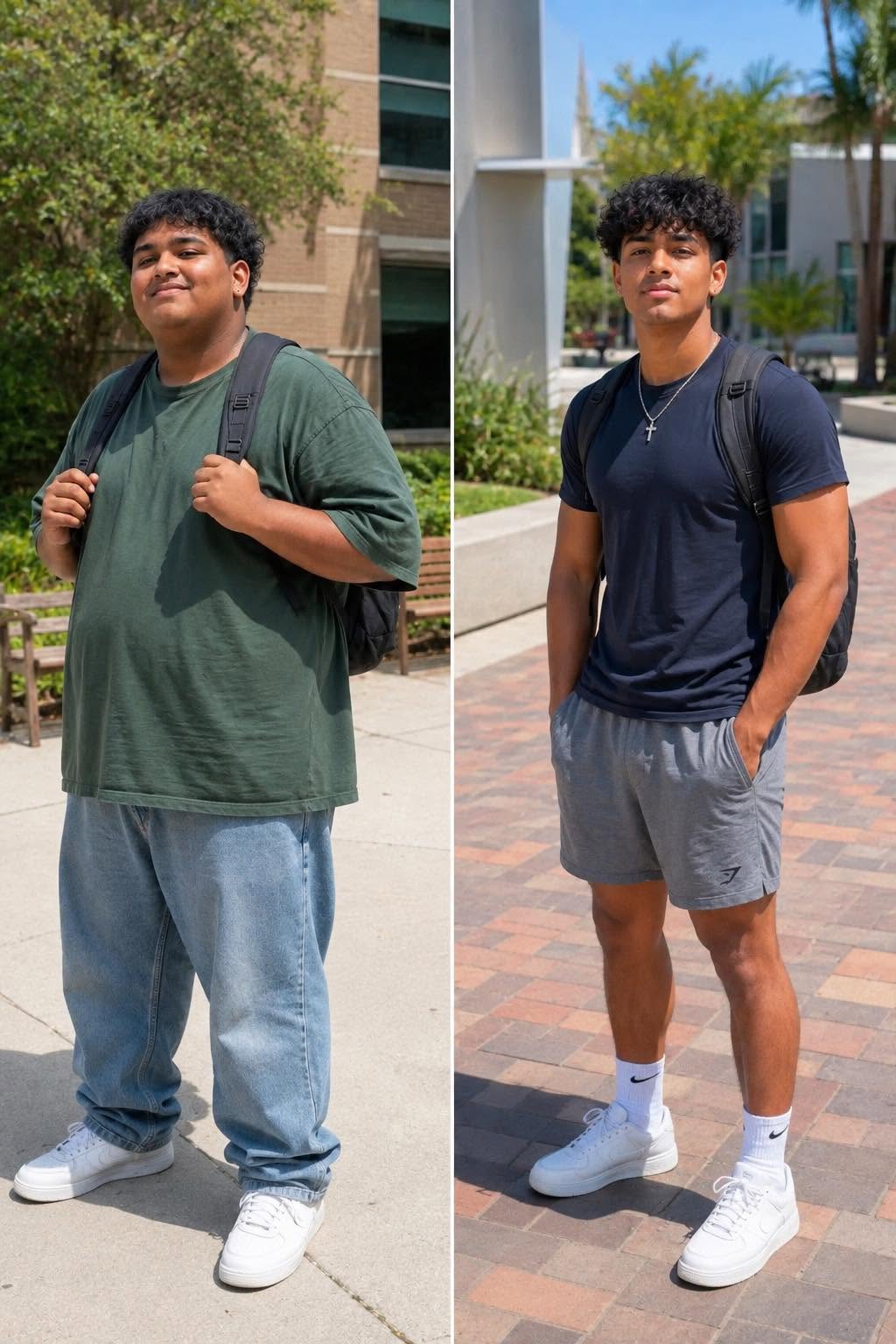
Completely.
The first week nearly killed me.
Not literally.
But uncertainty felt unbearable.
Where was he?
Who was texting?
Why was he smiling?
What was the notification?
I forced myself not to ask.
Then I learned a different rhythm.
“Want to talk?”
Sometimes:
“No.”
And instead of:
“Why not?”
I said:
“Okay.”
That tiny word changed our house.
Sometimes ten minutes later, Ethan returned.
Sometimes three hours.
Sometimes the next day.
I learned that leaving a door open works better than standing inside it demanding entry.
ONE NIGHT, ETHAN SAT AT THE KITCHEN TABLE WHILE I COOKED
This used to happen constantly when he was younger.
Then it stopped.
I noticed immediately.
I tried not to make the moment precious.
That would scare him off.
He said:
“Sophie got accepted to the student advisory board.”
“That’s great.”
“Yeah.”
Pause.
Then:
“Mason messaged me.”
My hand stopped over the pan.
Every old instinct screamed.
What did he say?
Show me.
Block him.
Tell the school.
Call somebody.
Instead, I asked:
“How did that feel?”
Ethan looked up.
Actually looked at me.
“Really weird.”
I waited.
“He apologized.”
I kept waiting.
“I don’t know whether I believe him.”
Still waiting.
“But I also don’t think I need to decide right now.”
I nodded.
“That makes sense.”
He smiled faintly.
Then:
“See?”
“What?”
“That was a real question.”
I laughed.
“So I’m improving?”
“Slowly.”
“Rude.”
He grinned.
There was my son.
Not the old one.
Not the cheerful child I kept trying to recover.
The person he was becoming.
A YEAR LATER, ETHAN STOOD ON THE STAGE AT WILLOWCREST HIGH SCHOOL
The Open Door Project had expanded.
The district invited him to speak to incoming freshmen.
I sat in the back.
Not the front.
That was intentional.
Ethan talked about humiliation.
Silence.
Fear.
But mostly—
about listening.
He said:
“Sometimes adults think protecting a teenager means knowing everything.”
A few parents laughed.
I folded my arms.
Traitor.
Then:
“But sometimes the safest person isn’t the one who has every answer.”
“It’s the person who can hear something scary without immediately taking the story away from you.”
That sentence belonged partly to me.
I knew it.
I accepted it.
Then Ethan said:
“The first time somebody tells you something hard, they’re watching what you do with it.”
“Not only what you say.”
“What you do.”
“Whether you panic.”
“Whether you make it about yourself.”
“Whether you punish them for frightening you.”
“Whether you listen long enough to find out what they actually need.”
The auditorium was silent.
I cried.
Quietly.
No dramatic sobbing.
I had embarrassed him enough for one lifetime.
AFTER THE ASSEMBLY, ETHAN FOUND ME OUTSIDE
“How was it?”
“Terrible.”
He stared.
I smiled.
“You publicly exposed your mother.”
He laughed.
“Anonymous mother.”
“Every parent in that room looked at me.”
“They don’t know.”
“They know.”
He put an arm around my shoulders.
At sixteen, he was already taller than me.
I leaned against him.
Then asked:
“Can I tell you something?”
“Sure.”
“The night I found that red case, I thought I was saving you.”
“I know.”
“I understand now that I was mostly trying to save myself from being afraid.”
Ethan became quiet.
I continued:
“If I controlled where you went and what you did, then I didn’t have to sit with the possibility that something was happening I couldn’t fix.”
He nodded.
“I get that.”
“I’m sorry.”
He looked toward Willowcrest.
Then:
“I know.”
Not:
It’s okay.
Because it hadn’t been.
Not:
Forget it.
Because we shouldn’t.
Just:
I know.
That was enough.
I STILL HAVE THE NOTE ETHAN LEFT THAT MORNING
Mom, you can take my phone. You can’t take my voice.
He let me keep it.
It sits inside my desk drawer.
Not because I enjoy remembering one of my worst nights as a mother.
Because I need the reminder.
I used to believe closeness meant knowing everything about your child.
Every friend.
Every password.
Every location.
Every worry.
Now I think closeness is something much harder.
It is making yourself safe enough that your child wants to tell you.
There is no app for that.
No parental control.
No notification.
No locked door.
It requires something I was terrible at:
Silence.
Patience.
Trust.
The willingness to hear an answer you cannot immediately fix.
Ethan’s freshman year taught him that cruel people can make someone feel invisible.
His sophomore year taught me that love can accidentally do something similar when it refuses to stop talking long enough to see the person standing in front of it.
I had watched my son constantly.
I watched what he ate.
Where he went.
Who he texted.
How late he stayed awake.
How much weight he lost.
Whether he smiled.
Whether he looked tired.
I watched everything.
And somehow—
I still missed him.
Now, when Ethan comes home from Willowcrest High School and I can tell something is bothering him, I don’t ask ten questions.
I ask one.
“Do you want me to listen, help, or leave it alone for now?”
Sometimes he says listen.
Sometimes help.
Sometimes:
“Leave it alone, Mom.”
I’m getting surprisingly good at that last one.
Because protecting someone does not always mean stopping them from walking through a difficult door.